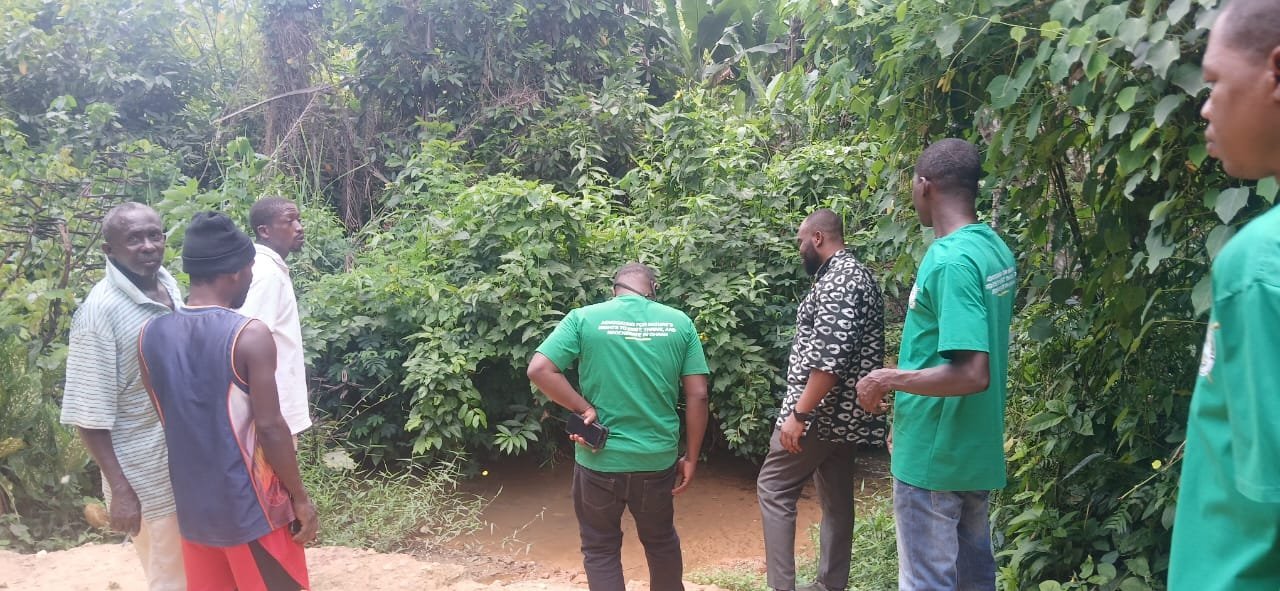
Pushing for the Rights of Nature of the Gyeme River Amid Opposition in the Atatem Community, Adansi-Asokwa District, Ghana

Efforts to promote environmental protection in Atatem in the Adansi-Asokwa District are gaining attention following a recent community engagement led by the Rights of Nature Movement Ghana (RoNAG), which is advocating for the recognition and protection of the Gyeme River. The engagement, held on April 7, brought together community members to discuss the growing environmental and health concerns associated with illegal mining, locally known as galamsey. Representatives of the Rights of Nature Movement Ghana presented findings from a recent water quality analysis conducted on the Gyeme River, a vital source of water for the community. According to the team, the scientific results revealed the presence of heavy metals, including lead, mercury, and iron, in the river. These substances are known to pose serious health risks, particularly when the water is consumed or used over time. Community members were informed about the potential dangers and the long-term implications for public health and livelihoods.
In addition to presenting the findings, the team facilitated discussions on the “Rights of Nature” concept, an approach that seeks to recognize natural ecosystems, such as rivers, as entities with inherent rights to exist, regenerate, and be protected from harm. The initiative also included a call for collective action, encouraging residents to sign a petition which the RoNAG managing director, Dr. Dickson Adom would submit to the Director of Operations of National Anti-Illegal Mining Operations Secretariat (NAIMOS) for investigation and enforcement action against illegal activities threatening the Gyeme River. The RoNAG team assured all members that they would submit the petition to the relevant authorities to intensify efforts against illegal mining activities in the area. In addition, community members who were present at the meeting were briefed on the Gyeme River rights and protection by-law that has been co-developed with community representatives. The community members signed to consent to the submission of by-law.
The engagement further explored alternative livelihood opportunities, particularly for young people and others involved in small-scale mining. The RoNAG team emphasized the importance of sustainable economic pathways that do not compromise environmental integrity. However, the meeting also revealed divisions within the community. While some residents welcomed the initiative and expressed concern about the state of their water resources, others opposed the engagement, citing economic dependence on mining activities. The opposition led to tensions that disrupted the meeting as it ended. Despite attempts to maintain dialogue, the situation escalated, requiring police intervention to ensure the safe departure of the visiting team.
The events in Atatem reflect the broader challenges faced by many communities across Ghana, where the economic realities of illegal mining often intersect with environmental sustainability and public health concerns. While advocacy for the protection of natural resources continues to gain momentum, achieving consensus remains complex. For advocates of the Rights of Nature approach, the protection of the Gyeme River is not only an environmental priority but also a matter of safeguarding the long-term well-being of the Atatem community. At the same time, the concerns raised by those who rely on mining activities underscore the need for inclusive solutions that address both environmental and economic needs. As discussions continue, the situation highlights the importance of dialogue, collaboration, and balanced policymaking in addressing one of the country’s most pressing environmental challenges.